Irritation Bumps vs Keloids: How to Tell the Difference
Learn the real difference between piercing irritation bumps and keloids. San Antonio's Platinum Tattoos & Piercings explains causes, treatments, and when to see a doctor.
Irritation Bumps vs Keloids: How to Tell the Difference
You notice a bump near your new piercing and immediately panic. "Is that a keloid?" You Google it, and suddenly every forum, TikTok, and Reddit thread has you convinced your ear is ruined forever.
Take a breath.
After 26 years of piercing in San Antonio, we can tell you with confidence: the vast majority of bumps people call "keloids" are actually irritation bumps — and they're completely treatable. The two conditions look similar at a glance, but they have very different causes, very different treatments, and very different outcomes.
Here's how to tell the difference, what to do about each, and when you actually need to worry.
What Is an Irritation Bump?
An irritation bump — sometimes called a piercing bump, hypertrophic scarring, or a "piercing pimple" — is your body's inflammatory response to something bothering the piercing site. It's not an infection. It's not a keloid. It's your skin saying, "Hey, something's off here."
What Causes Irritation Bumps?
Almost always, the culprit is one (or more) of these:
What Does an Irritation Bump Look Like?
The key detail: irritation bumps are directly connected to a cause. If you can identify what's irritating the piercing and remove that irritant, the bump will resolve.
What Is a Keloid?
A keloid is a specific type of scar tissue overgrowth. Unlike normal scars that stay within the boundaries of a wound, keloids grow beyond the original injury site. They're caused by an overproduction of collagen during the healing process and are largely genetic.
Key Facts About Keloids
What Does a Keloid Look Like?
Side-by-Side Comparison
Here's the quick breakdown:
Irritation Bump:
Keloid:
Why Most "Keloids" Are Actually Irritation Bumps
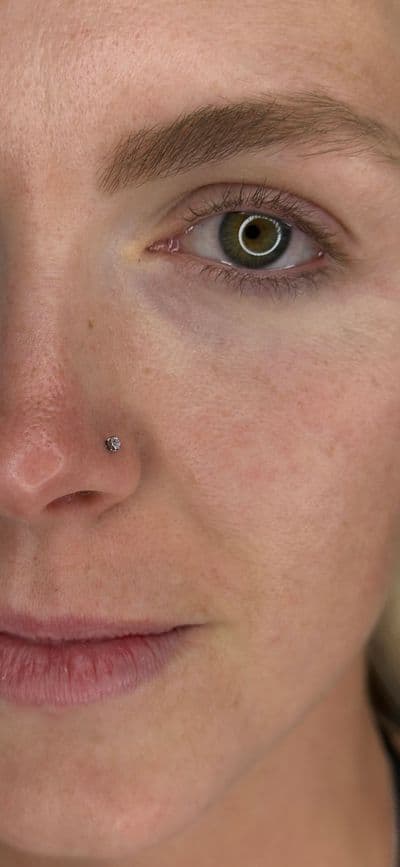
We see this constantly at our San Antonio piercing studio. Someone comes in panicking about a "keloid" on their nostril piercing, septum piercing, or helix piercing. Nine times out of ten — honestly, closer to 99 out of 100 — it's an irritation bump.
Here's why the confusion exists:
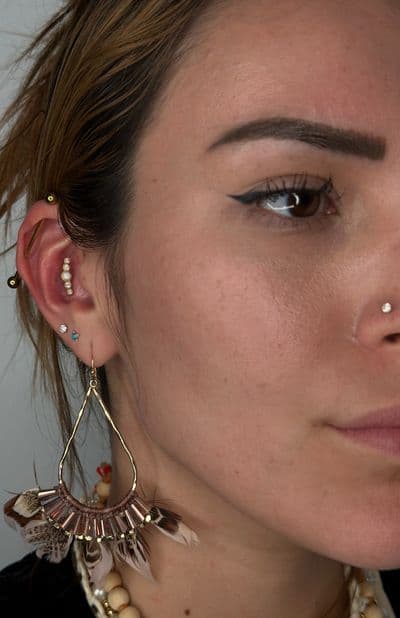
The simplest test: Can you identify something irritating the piercing (sleeping on it, touching it, using tea tree oil, wearing low-quality jewelry)? If yes, it's almost certainly an irritation bump. Address the cause and give it time.
How to Treat an Irritation Bump
This is where a lot of people go wrong — and where the internet leads you wildly astray. The treatment for an irritation bump is shockingly simple:
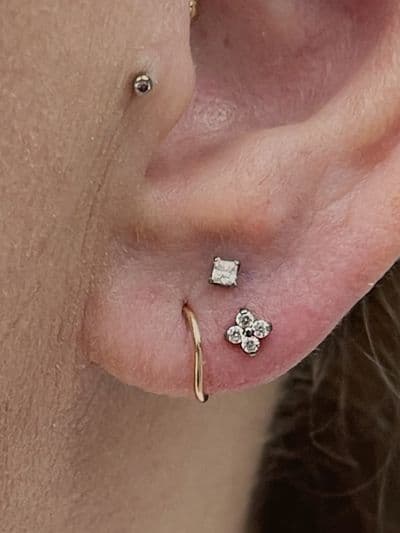
Step 1: Identify and Remove the Irritant
This is the most important step. The bump is a symptom. You need to fix the cause.
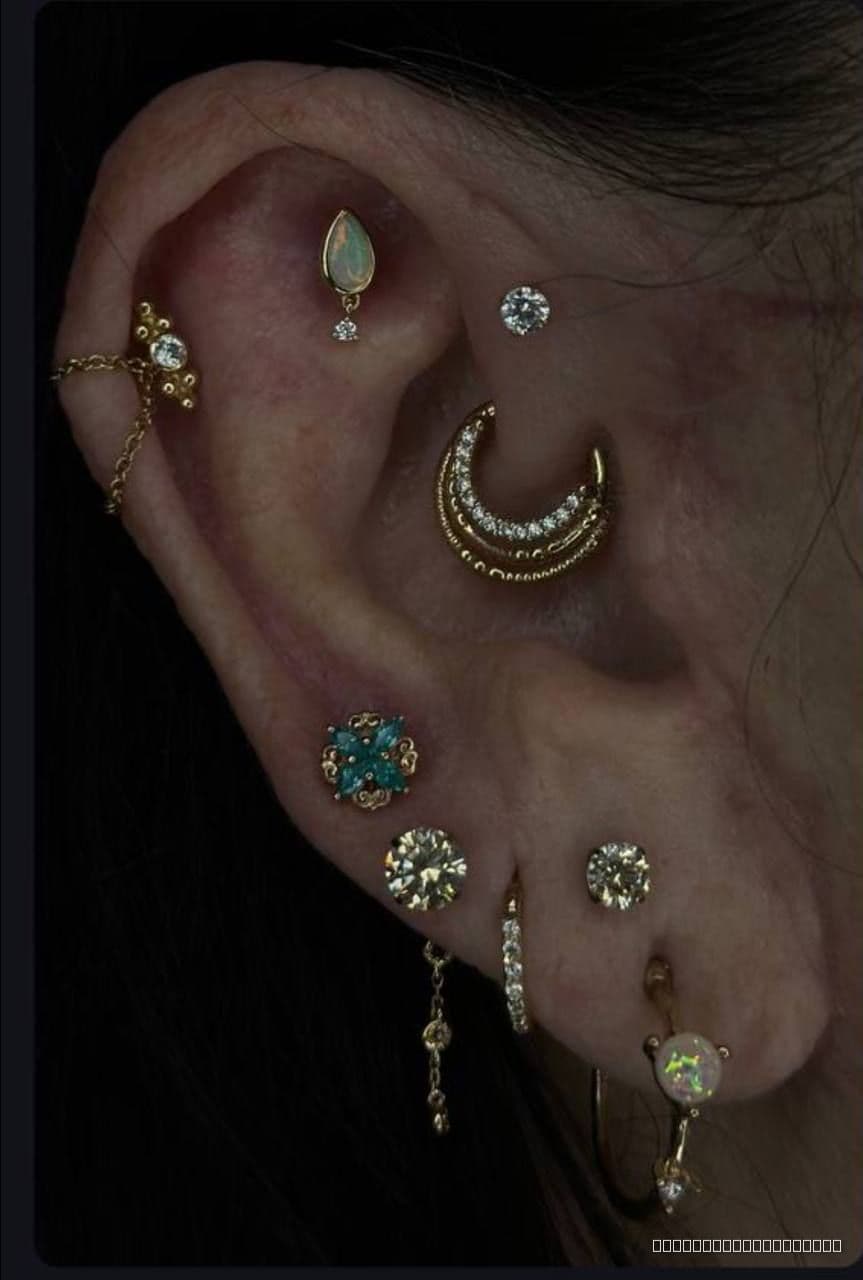
Step 2: Clean with NeilMed Piercing Aftercare Saline
Use NeilMed Piercing Aftercare Fine Mist — a sterile, isotonic saline wound wash. Spray it on the piercing 1–2 times per day. That's it. Don't soak it, don't make your own salt water, don't add anything to it.
NeilMed is what we recommend to every client at Platinum Tattoos & Piercings, and it's what the majority of professional piercers worldwide recommend. It's sterile, it's the correct salt concentration, and it won't irritate healing tissue.
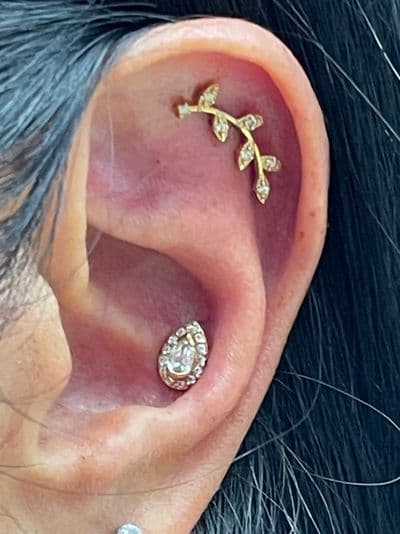
Step 3: LITHA — Leave It the Hell Alone
LITHA stands for Leave It The Hell Alone, and it's the single best treatment protocol for irritation bumps. Once you've removed the irritant and established a simple saline cleaning routine:
Most irritation bumps resolve within 1–4 weeks once the cause is addressed. Some stubborn ones take longer, but if you're truly leaving it alone and the irritant is gone, your body will heal.
Common Mistakes That Make Bumps Worse
The internet is full of "home remedies" for piercing bumps. Almost all of them are terrible advice. Here's what NOT to do:
Tea Tree Oil
This is the biggest offender. Every piercing forum, every TikTok "hack," every well-meaning friend recommends tea tree oil. Do not put tea tree oil on your piercing.
Tea tree oil is a potent essential oil that can cause chemical burns, allergic reactions, and contact dermatitis. It's cytotoxic — meaning it kills cells, including the healthy cells trying to heal your piercing. It may temporarily shrink a bump by damaging the tissue, but it causes more inflammation in the long run.
Aspirin Paste
Crushing up aspirin and making a paste to apply to your piercing bump is another internet classic. Aspirin is a blood thinner and anti-inflammatory when taken orally, but smearing it on a wound does nothing beneficial. It introduces foreign particles into a healing piercing and irritates the tissue.
Chamomile Compresses / Tea Bag Soaks
Warm chamomile tea bags on a piercing bump won't hurt as badly as tea tree oil, but they're not helping either. You're adding unnecessary moisture, tannins, and plant material to a wound. Stick to sterile saline.
Hydrogen Peroxide and Rubbing Alcohol
Both are cytotoxic and will destroy the healthy tissue forming around your piercing. They were once standard wound care advice, but modern wound care science has moved well past them. They delay healing and increase the chance of scarring.
Removing the Jewelry
Pulling out the jewelry when you have an irritation bump is almost always the wrong move. Without the jewelry acting as a channel, the piercing can close over the surface while trapping irritation or bacteria underneath, potentially causing an abscess. Leave the jewelry in and address the root cause. If you need the piercing assessed, visit a professional piercer — don't DIY it.
When to See a Doctor
While most bumps are benign irritation bumps, there are situations where medical attention is warranted:
Keloid Treatment Options (From a Doctor)
If you do have an actual keloid, treatment options include:
Note: Keloids have a high recurrence rate, even after treatment. This is another reason it's important to determine whether you're actually dealing with a keloid or just a stubborn irritation bump — the treatment paths are completely different.
Prevention: How to Avoid Irritation Bumps in the First Place
The best treatment is prevention. Here's how to give your piercing the best chance at a bump-free healing process:
Visit Us in San Antonio
If you've got a bump that's worrying you, come see us. We're happy to assess your piercing, check your jewelry, and give you a clear answer on what's going on and how to fix it. No judgment, no charge for a look — just honest, experienced advice.
Platinum Tattoos & Piercings has been San Antonio's trusted piercing studio since 2000. Whether you got pierced with us or somewhere else, our piercers can evaluate your situation and help you get back on track.
Frequently Asked Questions
Is the bump on my piercing a keloid?
Almost certainly not. True keloids are genetic and relatively rare. If you've never had a keloid from any other wound and no one in your family has them, the bump on your piercing is overwhelmingly likely to be an irritation bump. Remove the source of irritation, clean with NeilMed saline, and practice LITHA.
How long does it take for an irritation bump to go away?
Once you've identified and removed the cause of irritation, most bumps resolve within 1–4 weeks. Stubborn ones can take longer, but you should see gradual improvement. If there's no improvement after 4–6 weeks of proper care, visit your piercer for an assessment.
Can I pop an irritation bump?
No. Never pop, squeeze, or lance a piercing bump. You risk introducing bacteria, causing an abscess, and making the problem significantly worse. Leave it alone and let your body resolve it naturally.
Does tea tree oil work on piercing bumps?
No. Tea tree oil is cytotoxic and can cause chemical burns and allergic reactions on healing tissue. It may temporarily reduce a bump by damaging cells, but it causes more harm than good. Stick to sterile NeilMed saline — it's all you need.
Should I take out my piercing if I have a bump?
No. Removing jewelry can cause the surface of the piercing to close while trapping irritation or bacteria inside, potentially leading to an abscess. Leave the jewelry in, address the cause of the bump, and see a professional piercer if you're unsure.
I got pierced somewhere else and now I have a bump. Can you help?
Absolutely. We see clients from all over San Antonio — including folks who were pierced at other shops, mall kiosks, or even at home. We'll take a look at your piercing, assess the jewelry and placement, and recommend next steps. No judgment.
What gauge should my piercing jewelry be?
Proper gauge depends on the piercing location. We pierce nostrils and earlobes at 18g, ears, facial, oral, and septum piercings at 16g, and body piercings at 14g or 12g. We never use 20g — it's too thin and more prone to migration and irritation. If your jewelry is thinner than what's standard for your piercing type, that could be contributing to your bump.
When should I see a doctor instead of a piercer?
See a doctor if you have signs of infection (increasing pain, spreading redness, warmth, yellow/green discharge, fever), if the bump is growing beyond the piercing boundaries, if you have a family history of keloids, or if conservative care hasn't improved things after several weeks.
Book Your Piercing
Walk-ins welcome for piercings. Book ahead to reserve your spot at Platinum Body Piercings.
📍 7400 San Pedro Ave, San Antonio, TX 78216