Cover-Up Tattoos: Everything You Need to Know Before Getting One
A cover-up tattoo can turn something you regret into something you love — but it requires the right artist, the right design, and honest expectations. Here's what you need to know before booking.
Cover-Up Tattoos: Everything You Need to Know Before Getting One
Everyone has a tattoo story that starts with "I was young" or "it seemed like a good idea at the time." Maybe it's a name that no longer makes sense, a design you grew out of, or simply work done by someone who wasn't good enough. Whatever the reason, the tattoo industry exists in part to help people move forward — and cover-up work is one of the most satisfying things a skilled artist can do.
At Platinum Tattoos & Piercings on Loop 410 in San Antonio, we've transformed hundreds of regrettable tattoos into pieces people are genuinely proud of. But we also believe in setting realistic expectations. Here's the honest guide.
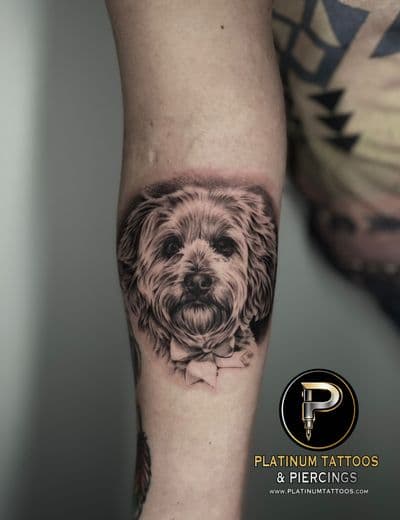
When to Consider a Cover-Up
A cover-up makes sense when you have a tattoo you want to move past but aren't ready for (or interested in) the full laser removal process. Common scenarios:
- Names of exes or people you're no longer connected to
- Designs that were meaningful at 19 and feel embarrassing at 35
- Work done by an artist who wasn't skilled enough — bad linework, poor shading, faded ink
- Trendy designs that aged poorly
- Tattoos in prominent locations that affect your professional or social life
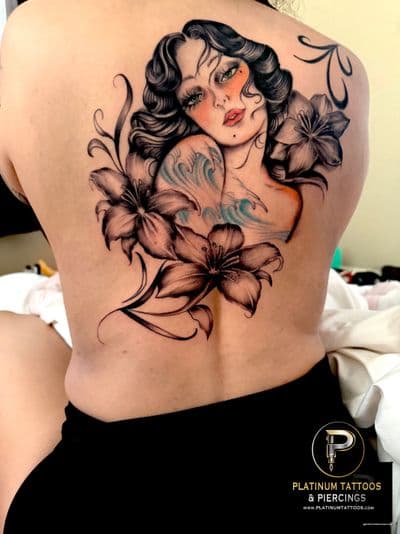
Sometimes a cover-up is the right move. Sometimes a rework or addition to an existing piece is better — incorporating the old tattoo into a larger composition rather than hiding it. And sometimes laser removal is the better first step. A good consultation will help you figure out which path fits your situation.
What Can and Can't Be Covered
This is where honesty matters most. Cover-up tattoos operate within real physical constraints, and understanding them will save you disappointment.
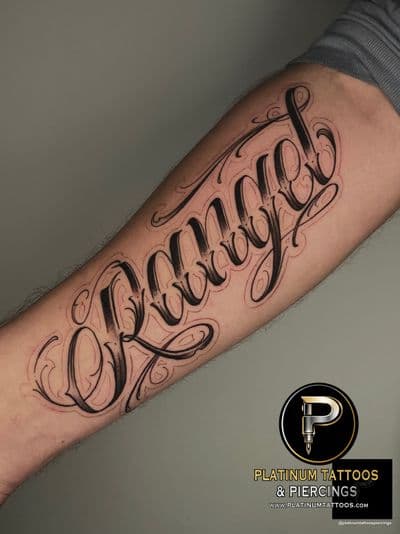
Easier to cover: Small tattoos with minimal saturation. Old, faded work where the ink has lightened significantly over years. Line work without heavy fill. Designs with relatively low contrast. These give an artist the most flexibility in design choices.
Harder to cover: Heavily saturated black work, particularly solid fills. Dark tribal designs. Dense color packing in deep hues. Large bold outlines. These aren't impossible to cover, but they constrain the design options significantly — the new tattoo must be dark enough and bold enough to overpower the original.
What "covering" actually means: A cover-up doesn't make the original tattoo disappear. The new ink sits on top of the old ink, which is still in your skin. The goal is for the new design to be visually dominant enough that the eye reads the new piece, not the old one. In perfect conditions with ideal design choices, the old tattoo becomes completely invisible. In more challenging cases, a ghost of the original might remain faintly visible under certain lighting — this is a realistic outcome to understand going in.
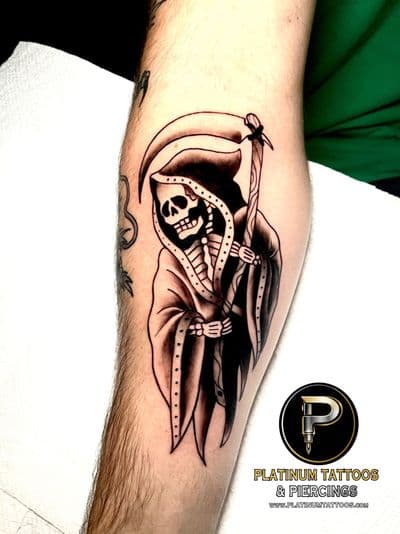
Design Strategies That Work
The most successful cover-up designs share a few common characteristics:
They're larger than the original. Usually 30–50% larger in overall footprint. This gives the artist room to work the new design around the old one without the original's edges peeking through.
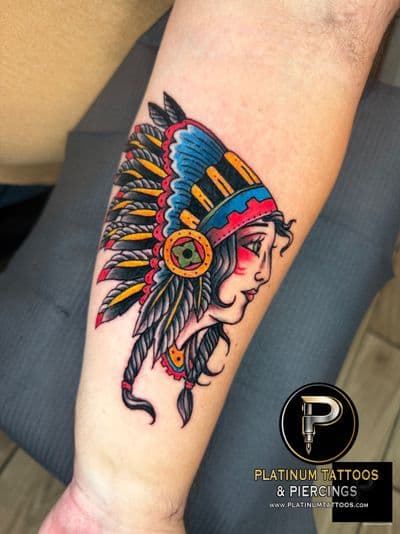
They use dark values strategically. Dark areas in the new design naturally suppress the old tattoo beneath. This doesn't mean the whole cover-up has to be dark — a skilled artist can use the old tattoo's darkness to anchor shadow areas of the new composition, turning a constraint into a design tool.
They incorporate organic shapes. Flowers, leaves, scales, and abstract organic forms are excellent cover-up vehicles because they can be shaped around the existing tattoo's footprint without looking forced. Geometric designs with strict symmetry are harder, because the old tattoo may disrupt the alignment.
They're designed specifically for the cover-up. Bringing in a reference image and saying "I want exactly this" isn't always possible with a cover-up. The artist needs to design around the specific constraints of your existing tattoo — the best results come from collaborating with the artist rather than arriving with a rigid design requirement.
The Laser Prep Question
For heavily saturated or dark existing tattoos, 2–4 laser sessions to lighten the original work can significantly expand your cover-up design options. This isn't always necessary, but when it is, the difference in final outcome is substantial. We're transparent about when we think laser prep would benefit your situation versus when a cover-up can proceed directly.
Before/After Expectations
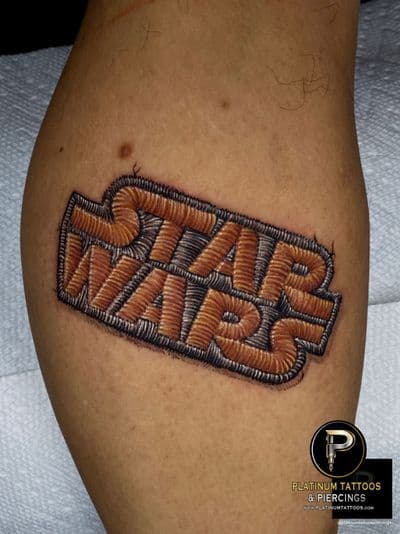
Set yourself up for success by going in with realistic expectations. The best cover-up results come from clients who:
- Trust the artist's design judgment over rigid personal requirements
- Understand that the new tattoo needs to be dark/bold enough to do the job
- Are flexible on exact size (it will likely be larger than the original)
- Are patient with the consultation and design process
Consultations at Platinum are always free and always honest. We won't promise you something we can't deliver — but we will find the best possible path forward for your specific situation. Service fees start at $35. Find us at 5545 NW Loop 410 in San Antonio.
Frequently Asked Questions
Can any tattoo be covered up?
Most tattoos can be covered or significantly improved, but there are real limitations. Very dark, heavily saturated tattoos — especially solid black work — are the hardest to cover and may require laser fading sessions before a successful cover-up is possible. Lighter, smaller tattoos are generally easier to work with. A consultation will give you an honest assessment.
Does a cover-up tattoo have to be bigger than the original?
Yes, typically. The cover-up design generally needs to be larger than the original tattoo — usually 30–50% bigger — to ensure the new design fully contains and masks the old one. This affects placement and design choices significantly.
Do I need laser removal before a cover-up?
Not always, but sometimes it makes the difference between a good result and a great one. For very dark or dense tattoos, 2–4 laser sessions to lighten the original can dramatically expand your design options. We can give you an honest assessment of whether laser prep would benefit your specific case.
How much does a cover-up tattoo cost compared to a regular tattoo?
Cover-up work is generally more expensive than a standard tattoo of the same size because it requires more planning, more skill, and often more time to execute. Expect to pay a premium for a skilled cover-up artist. The alternative — living with a tattoo you hate — costs you more in the long run.
Book a Consultation
Free consultations for custom tattoos. Walk-ins welcome, or book ahead to secure your artist at Platinum Tattoos & Piercings.
📍 5545 NW Loop 410, San Antonio, TX 78238