Platinum Tattoos & Piercings · San Antonio, TX · Since 2000
Oral Piercing Aftercare - What to Do Right Now
Just got your tongue, lip, or labret pierced? Oral piercings heal differently than surface piercings. Here's exactly what to do - from that first night through your downsize and beyond.
Oral piercings have two cleaning zones - inside your mouth (lip, tongue) and outside. For piercings like snake bites, Monroes, and Ashley piercings, both zones need attention every single day.
🪶
INSIDE YOUR MOUTH
Rinse with clean water after every meal, drink, and smoke. Alcohol-free mouthwash (Biotene) once or twice a day - not more. Brush and floss normally.
💧
OUTSIDE YOUR MOUTH
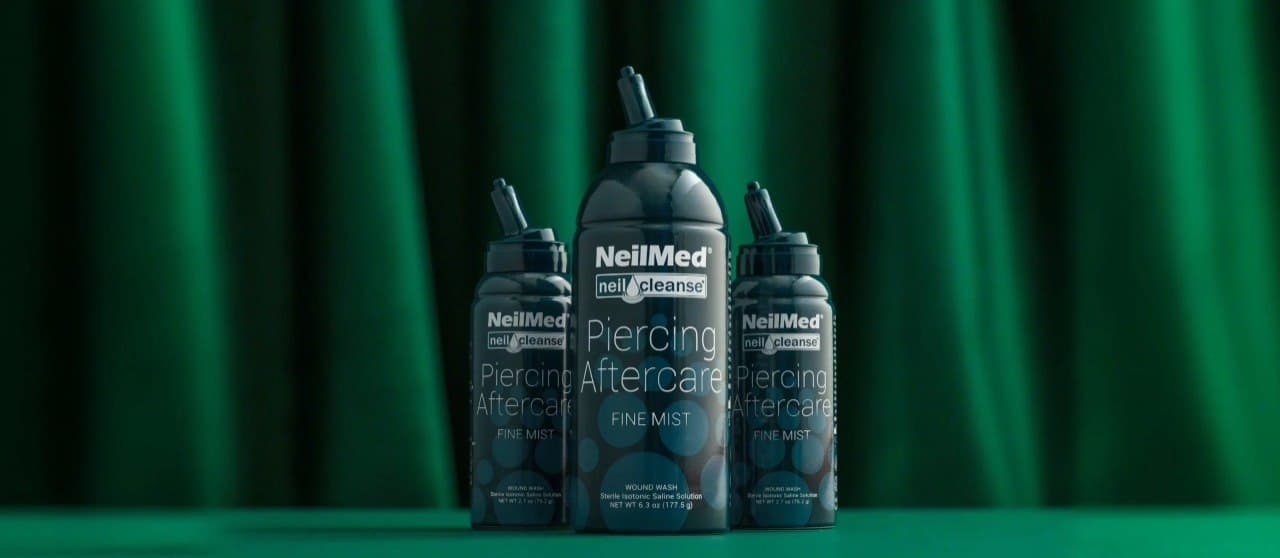
Sterile saline spray (NeilMed) two times daily. Let it run clean. Gently remove any crust with something soft and non-abrasive. Pat dry - no cloth towels. No sleeping on it.
😣
WHAT YOUR NEW PIERCING FEELS LIKE
Soreness and tenderness around the lip, and a dull throb for the first few days — that's your mouth and body working. Some tightness around the jewelry is normal. It may feel awkward to talk, eat, or smile. That doesn't mean something is wrong. It means you just got pierced. Hang in there — most people feel significantly better within 1–2 weeks. A little bleeding right after? Normal. A lot that won't stop? Call us.
👀
WHAT YOU'LL SEE
Swelling, especially the first 2–10 days. A whitish or slightly yellow fluid (lymph) around the jewelry — that's not pus, that's your body healing. It dries into crust. That crust is normal. Mild bruising around lip piercings is also normal. If you see thick green or yellow discharge with spreading redness and heat — reach out to your physician and contact your studio right away.
📏
YOUR JEWELRY SIZE
You were pierced with a longer bar on purpose — it's there to make room for swelling. Most people heal just fine with it. But some swell more than expected. If the jewelry starts feeling tight or tissue starts pressing against it, come back in immediately. We may need to temporarily upsize until the swelling settles. Once it does, you'll come back in for your downsize to the right fit. Never try to swap jewelry yourself while you're still healing.
🌙
YOUR FIRST NIGHT
Tonight is usually the most intense part. Swelling peaks the first night and into day two — don't be alarmed if you wake up more swollen than when you went to sleep. Before bed: eat something soft and cold, rinse one more time, and prop an extra pillow to keep your head elevated. Sleeping flat sends blood pooling to the site and makes swelling worse. Don't sleep on the piercing side. Expect some throbbing. It's temporary.
Critical: Wash your hands before any aftercare - and outside of cleaning, keep your hands off it entirely. There's no reason to touch your piercing otherwise. Every unnecessary contact introduces bacteria and sets healing back.
What to Use
NeilMed NeilCleanse Piercing Aftercare Fine Mist
Sterile 0.9% Saline Solution · External Use Only
No additives, no preservatives, no alcohol. Pure saline in a fine mist - exactly what professional piercers recommend. Spray the outside of lip and labret piercings 2x daily. This is what we send you home with after every piercing. Available at Platinum Tattoos & Piercings, 5545 NW Loop 410, San Antonio.
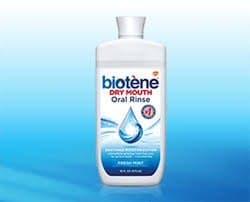
Biotene Dry Mouth Oral Rinse
Alcohol-Free · Hydrogen Peroxide-Free · Internal Use Only
Specifically formulated to be gentle on healing tissue. Use once or twice a day max - more than that dries out the tissue and slows healing. Never use anything with alcohol inside a healing oral piercing. It burns, irritates, and sets you back every single time.
Cleaning Inside Your Mouth - The Full Routine
To clean inside an oral piercing: rinse with plain water after every meal, drink, and smoke - and use an alcohol-free mouthwash (Biotene) once or twice a day. That's the full internal routine.
Oral piercings heal in a constantly active environment - food, drink, bacteria, and saliva never stop. That's why the routine is simple on purpose. More is not better. Overdoing it strips your mouth's natural defenses and slows healing.
1
After every meal, drink, or smoke
Rinse with clean water. Not mouthwash - just plain water. Swish gently and spit. The goal is to clear food debris and neutralize acidity before it sits against the healing tissue. Every time, no exceptions.
2
Alcohol-free mouthwash - once or twice a day max
Biotene is the standard recommendation. Use it morning and night. More than twice a day dries out the mucosal tissue, strips the mouth's natural protective coating, and actively slows healing. Avoid standard Listerine — any formula with alcohol. Listerine Zero is alcohol-free but its active essential oils can still irritate a fresh piercing channel. Biotene is gentler and the better call while healing.
3
Keep brushing and flossing normally
Oral hygiene matters more now, not less. Brush normally. Be gentle around the jewelry but don't avoid the area. Bacteria buildup on teeth and gums affects the whole mouth — including your healing piercing.
USE INSIDE
Plain water (after every meal)
Biotene or alcohol-free rinse
Your normal toothbrush
NEVER USE INSIDE
Listerine (alcohol formulas)
Hydrogen peroxide
Salt water rinses (too harsh)
Straws
There's a white coating on my tongue/jewelry - is that normal?
Yes. A white or off-white film on the tongue or on the jewelry itself is completely normal during healing - it's a combination of lymph fluid, dead skin cells, and your mouth's natural healing response. It is not pus, it is not infection, and it does not mean something is wrong. It fades on its own as the piercing heals and your body adjusts. Keep your routine, keep brushing, keep rinsing. If the discharge is thick, opaque, green or yellow, and smells foul - that's different. Come in.
How long does a tongue or lip piercing take to heal internally?
The internal channel stabilizes faster than the external skin - but it still takes time. For tongue piercings, the tissue is highly vascular so it heals relatively quickly. For lip and labret, the internal mucosal tissue closes and stabilizes around the same timeline.
1-2 wks
Swelling gone
4-6 wks
Channel stable
3-4 mo
Fully healed
Can I use Listerine on a new oral piercing? Standard Listerine - no. It contains alcohol up to 27%, which kills healing cells, dries mucosal tissue, and causes chemical irritation. Listerine Zero is alcohol-free, but it still contains active essential oils (eucalyptol, menthol, thymol) that can disrupt a fresh piercing channel. Biotene is the better choice - it's pH-balanced, alcohol-free, and formulated to be gentle on soft tissue. Once you're fully healed, use whatever you want.
Cleaning Outside Your Mouth - How to Care for a Lip or Labret Piercing
Clean the outside of a lip or labret piercing by spraying sterile saline (NeilMed) directly on the external site twice a day - morning and night. Let it soften any crust, then pat dry with gauze. That's the full external routine.
A lip or labret piercing is two separate wounds healing at the same time - one inside your mouth, one outside. The external site heals like a surface piercing: open air, skin tissue, crust forming as part of normal healing. It needs its own dedicated routine.
1
Spray NeilMed directly on the external site - twice a day
Morning and before bed. Hold the can upright and spray directly onto the piercing site. Let the saline run clean over the jewelry and surrounding skin. You don't need cotton balls, Q-tips, or pressure. If crust has built up, let the saline sit 20–30 seconds to soften it before touching anything.
2
Remove crust gently - soften first, always
Use a clean piece of gauze or a disposable cotton pad. Never dry-pick crust off - pulling it off dry tears the healing tissue underneath and sets the site back significantly. Saline, wait, then one gentle pass. No scrubbing.
3
Pat dry with gauze or a paper towel
Moisture sitting around the piercing site slows healing and invites bacteria. After each cleaning, gently pat the external site dry. Never use a cloth towel - they carry bacteria and shed fibers that catch on jewelry and irritate the channel.
USE OUTSIDE
NeilMed sterile saline spray
Clean gauze or paper towel
Cool compress for swelling
NEVER USE OUTSIDE
Neosporin or any ointment
Alcohol or hydrogen peroxide
Cloth towels
Tea tree oil
I see a bump next to my lip piercing - is that a keloid?
Probably not. Most bumps that form next to a healing lip or labret piercing are irritation bumps - not keloids. Irritation bumps are caused by pressure (sleeping on the jewelry), trauma (snagging, picking), or over-cleaning. They look alarming but they're temporary. Fix the cause and they resolve on their own, usually within 1-3 weeks. True keloids are rare, genetically predisposed, grow larger than the wound, and don't resolve without medical treatment. If you're unsure, come in - we can tell the difference in 30 seconds.
How long does the outside of a lip piercing take to heal?
The external site typically closes to a stable point in 6-8 weeks - but full tissue maturation takes 3-6 months. At the 3-4 week mark, your piercer will swap you to a shorter bar (the downsize). That shorter piece sitting flush against the skin dramatically reduces irritation and speeds up the second half of healing.
3-4 wks
Initial downsize
6-8 wks
Surface stable
3-6 mo
Fully healed
Don't sleep on the piercing side. Sustained overnight pressure is the #1 cause of irritation bumps, migration, and extended healing times in lip and labret piercings. A donut travel pillow solves this immediately.
What Your New Oral Piercing Will Feel Like - Day by Day
A new oral piercing will feel sore, swollen, and tender for the first 3-7 days - with swelling peaking around day 2-3. Speech and eating will feel different. That's normal. Most people feel significantly better by the end of week two.
Here's the honest timeline so you're not caught off guard:
Day 1
Soreness, tenderness, and some swelling begin within hours. Throbbing is common, especially in the evening. Some light bleeding at the site is normal. It may feel tight around the jewelry. Speech and eating feel noticeably different.
Days 2-3
Swelling typically peaks. Tongue piercings will swell significantly - this is expected. Lip and labret piercings swell more moderately. The throbbing may feel more intense overnight. This is the hardest part. It gets better from here.
Days 4-7
Swelling begins to reduce. Speech starts to normalize. The tightness around the jewelry eases. Crust may appear on the external site — that's lymph fluid drying, not a sign of infection. The site will be tender but increasingly manageable.
Week 2
Most people feel significantly more comfortable. Swelling is mostly gone. You can eat and speak more normally. A little bleeding right after the piercing is normal; if you're still bleeding at week 2, come in.
Weeks 3-8
The site continues to heal beneath the surface. It may feel healed before it is. Keep cleaning through the full period your piercer recommended. The downsize - swapping to a shorter bar - typically happens at 2-3 weeks for tongue, 3-4 weeks for lip and labret.
A little bleeding immediately after the piercing is normal. A lot of bleeding that doesn't stop is not - call the studio.
My tongue piercing is giving me a lisp - is that permanent?
No. The lisp comes from swelling pushing your tongue out of its normal position, and muscle memory relearning how to move with jewelry present. Both are temporary. As swelling comes down - usually by the end of week two - speech normalizes. After the downsize to a shorter bar, it improves even more. Still lisping significantly at week four? Come in. The bar may need to be downsized.
When does a tongue or lip piercing stop hurting?
The sharpest soreness is usually gone by day 4-5. Most people feel manageable by week two and forget it's there by week three or four.
Days 1-5
Sharpest pain
Week 2
Manageable
Week 3-4
Mostly forgotten
Swelling Intensity Over Time
Most swelling resolves by week 2. Peaks night one — that's normal.
Swelling, Fluid, and Crust - What's Normal and What Isn't
Swelling, whitish-yellow fluid (lymph), and crust around the jewelry are all normal and expected. Thick green or yellow discharge with spreading redness and heat is not - that's infection. If you're unsure which one you're looking at, this section tells you exactly how to tell the difference.
Swelling - Normal
Expect swelling for the first 2–10 days. Tongue piercings swell more than lip piercings. It peaks around day 2–3, then gradually comes down. The long initial jewelry bar is sized specifically to accommodate this swelling — that's why it looks longer than you expected.
Whitish or slightly yellow fluid - Normal
This is lymph fluid, not pus. Your body produces it as part of the healing response. It's thin, watery, and may look slightly yellowish. It dries into a white or off-white crust around the jewelry. Clean it gently during your aftercare routine.
Mild bruising - Normal
Lip and labret piercings sometimes show mild bruising around the entry point, especially in the first few days. This is a normal trauma response and typically fades within a week.
Thick green or yellow discharge - Not normal
Pus is thick, opaque, and has a distinct foul smell. If the discharge is green or dark yellow, the site is hot to the touch, the redness is spreading, and you feel generally unwell — that's an infection. Contact your physician and contact the studio. Do not remove the jewelry without medical guidance — removing it can trap the infection inside.
How do I know if my piercing is infected or just healing?
JUST HEALING
• Thin whitish-yellow fluid
• Crust around the jewelry
• Mild swelling 1-10 days
• Tenderness when touched
• Mild bruising nearby
POSSIBLE INFECTION
• Thick green or yellow pus
• Foul smell from the site
• Spreading redness or heat
• Swelling worse after week 1
• Feeling generally unwell
If you see infection signs: contact your physician and the studio. Do not remove the jewelry without medical guidance - it can trap the infection inside.
Why Your Initial Jewelry Is Longer - The Sizing Explained
Your initial bar is intentionally longer than your final jewelry. It's called an accommodation bar - sized to leave room for swelling. Once swelling is gone (2-3 weeks for tongue, 3-4 weeks for lip/labret), you come back in for a downsize to the correct fit.
1
You were pierced with a longer bar on purpose
If you had been pierced with your final jewelry size, the swelling would push against the ends and cause pressure, migration, or embedding. The extra length gives your tissue room to swell without the jewelry fighting it.
2
Most people: standard downsize window
Tongue piercings: 2-3 weeks. Lip and labret: 3-4 weeks. You come in, we swap to the shorter bar that sits flush. This is one of the most important steps in healing - the long bar left in too long chips enamel and causes gum recession.
3
Some people swell more - temporary upsize
If the jewelry feels tight or you can see tissue pressing against the disc or bead end, come back in before your scheduled downsize. We may upsize temporarily until the swelling settles, then downsize when it does.
Never swap jewelry yourself while healing. Oral piercings start closing in minutes. Wrong size = real damage. Unclean hands = bacteria in a healing wound. Wait for your piercer.
Jewelry Length: Healing vs. Healed
Lip / Labret — flatback stud
Tongue — internally threaded barbell
Long post = room for swelling. Tongue: 2–3 weeks to downsize. Lip/labret: 3–4 weeks.
When can I change my tongue or lip piercing jewelry?
The downsize (shorter bar) happens at 2-3 weeks for tongue, 3-4 weeks for lip and labret. That's not optional - it's a required step in healing. Changing to different style jewelry (rings, different materials) requires the piercing to be fully healed: 3-6 months depending on placement. A healed piercing takes 10 minutes to swap. A damaged one takes months to fix.
🌙
Your First Night With a New Oral Piercing
The first night is the most intense part of healing. Swelling peaks overnight — you may wake up more swollen than when you went to sleep. That's normal. Here's exactly what to do before bed and what to expect.
1
Before bed - eat something soft and cold
Ice cream, a smoothie, yogurt. Cold reduces inflammation. This is the one time your piercer is actively telling you to eat ice cream. Do your cleaning routine one final time before sleep.
2
Elevate your head
Prop an extra pillow so your head is above your heart. Sleeping flat sends blood pooling to the piercing site and makes swelling significantly worse overnight. This one step makes a real difference.
3
Sleep position — don't sleep on the piercing side
For lip and labret piercings: don't sleep face-down or on the side with the jewelry. Sustained pressure overnight causes irritation bumps, migration, and in some cases embedding. A donut travel pillow helps if you're a side sleeper.
4
Expect throbbing — it's temporary
The pulse you feel is blood flow doing its job. More noticeable when lying down. Ibuprofen or naproxen (not aspirin) before bed can take the edge off. Most people sleep significantly better by night three or four.
If you wake up and the jewelry is pressing into tissue or you can't see the flat disc on the inside of a labret, come in when we open. Embedding from overnight swelling is rare but it happens - early intervention makes it a non-event.
What can I eat and drink after getting an oral piercing?
GREAT CHOICES
• Ice cream, smoothies, yogurt
• Cold water, cold broth
• Soft scrambled eggs
• Mashed potatoes, oatmeal
• Anything soft + cold
AVOID 2 WEEKS
• Spicy or acidic food
• Crunchy or hard food
• Alcohol
• Straws (suction disrupts healing)
• Very hot food or drinks
Rinse with plain water after every meal, every time. Alcohol in the first two weeks? Rinse immediately after - it's acidic and dries out healing tissue.
What's Normal - Don't Panic
Days 1-5
Significant swelling, especially with tongue piercings. Difficulty speaking clearly, some lisping. Light bleeding, bruising, tenderness. Whitish-yellow film on the jewelry. All normal - your body is responding to the piercing exactly as expected.
Week 2 onward
Swelling starts coming down. You can eat and speak more normally. The white coating on the jewelry (lymph fluid) gradually fades. The site may feel healed well before it actually is - keep cleaning through the full period.
Lip disc nesting
Once swelling resolves, the flat disc on the inside of a labret piercing can appear to sit slightly into the tissue. This is normal and expected. If it looks like tissue is growing over the disc - that's embedding. Come in.
Piercings close fast
Even a fully healed oral piercing can start closing within hours without jewelry. If you love it, keep something in it.
Managing the Swelling
Oral piercings swell more than almost anything else. Here's what actually helps:
Ice
Let small pieces dissolve in your mouth. Best tool you have in the first few days. Cold drinks also help - no straws.
Ibuprofen or naproxen
Anti-inflammatory, not aspirin. Follow package directions. Aspirin thins blood, which makes swelling worse and increases bleeding.
Elevate your head
Sleep with your head above your heart for the first few nights. Gravity helps reduce swelling.
Talk less
Every movement of the tongue or lip moves the jewelry against the healing tissue. First few days - give it a rest.
Oral piercings at Platinum Tattoos & Piercings - San Antonio, TX
What to Eat and What to Skip
Good choices
Yogurt, smoothies, ice cream
Mashed potatoes, cold soup
Soft foods - lukewarm or cold
Take your time eating
Avoid first 2 weeks
Spicy, acidic, or very hot food
Alcohol and large amounts of caffeine
Straws - increases swelling
Chewing gum or fingernails
Rinse with clean water after every single meal, drink, or smoke - no exceptions. Every time.
The Downsize - Don't Skip This
Your initial bar is longer to fit a swollen mouth. Once swelling is down, that extra length bangs against your teeth and gums every time you eat or talk. Over time it chips enamel and causes gum recession - real, lasting damage.
Avoid all kissing and oral sexual contact for a minimum of 8-12 weeks, or until your piercer confirms your piercing is fully healed. Timelines vary by piercing type - tongue piercings typically heal faster than lip piercings.
Why: Another person's saliva introduces bacteria directly into an open healing wound. Even a healed-looking piercing may still be healing internally. This also applies to any contact that could transfer saliva to the piercing site. When in doubt, wait - and ask your piercer at your downsize appointment.
Full Avoid List
Mouthwash containing alcohol or hydrogen peroxide
Playing with or moving the jewelry - causes permanent tooth and gum damage over time
Kissing and oral sexual contact - minimum 8-12 weeks, or until your piercer confirms full healing
Sharing plates, cups, or utensils
Smoking and vaping - significantly increase healing time and infection risk
Straws
Aspirin while swollen or bleeding
Submerging in pools, hot tubs, lakes, or baths
Changing jewelry early - wait for your piercer to clear you
Check Your Jewelry Daily
Oral piercings move constantly. Jewelry can loosen.
Internally threaded (tongue)
Tongue piercings use internally threaded barbells - the threads are inside the post, so the smooth end screws in. Check daily with clean hands. Tighten clockwise (righty-tighty). A loose ball that gets swallowed is an avoidable headache. Never use externally threaded jewelry in a tongue piercing.
Internally threaded (lip & labret)
Most lip and labret piercings also use internally threaded ends. Same check: tighten clockwise with clean hands, make sure the top is snug. Come in if it keeps loosening.
Threadless ends (lip, Monroe, Ashley)
Threadless push-pin jewelry is appropriate for lip piercings and labret-style surface placements — not for tongue piercings. Check for a gap between the post and the top. If there's a gap, pinch both sides together to close it. If it keeps popping off, the pin may need re-tensioning — come in.
Healed oral piercing - proper aftercare gets you there
Oral Piercing Aftercare - Common Questions
How long will the swelling last after a tongue piercing?
Tongue piercings swell more than most. The first 3-5 days are the worst of it - you may have noticeable swelling, difficulty speaking clearly, and some lisping. This is completely normal. Most swelling peaks around day 2-3, then starts to come down. By week 2, it should be significantly reduced. The long initial bar accommodates this - that's why the downsize matters so much once swelling is gone (usually 2-3 weeks for tongue).
My tongue piercing is making me lisp. Is that permanent?
No. The lisp comes from the swollen tongue adjusting to the long initial bar, plus muscle memory relearning how to move with jewelry present. Both resolve as swelling goes down. Most people are speaking normally again within 2 weeks. After the downsize to a shorter bar, speaking becomes easier and more natural.
What can I eat and drink after getting my tongue pierced?
Stick to soft, cold, non-spicy foods for the first week. Yogurt, smoothies, ice cream, cold soups, mashed potatoes. Avoid anything hot, spicy, acidic, or crunchy. No straws - the suction increases swelling and can cause bleeding. No alcohol for at least 2 weeks. No sharing food, utensils, or drinks. Rinse with clean water after every single meal.
Is the white film on my tongue normal after getting pierced?
If you mean a white coating on the tongue itself - yes. That's normal, especially in the first 1-2 weeks. It's a combination of lymph fluid and your body's healing response. It doesn't mean infection. Keep up your oral hygiene and it will resolve as the piercing heals. If you see thick green or yellow pus coming from the piercing site itself, that's different - come in.
Can I use Listerine on my oral piercing?
Depends on the formula. Standard Listerine (Cool Mint, Total Care, Freshburst) contains alcohol up to 27% - avoid it completely during healing. Listerine Zero is alcohol-free, but it still contains active essential oils that can irritate a fresh piercing channel. Biotene is the gold standard recommendation: it's formulated specifically to be gentle on oral tissue, pH-balanced, and free of both alcohol and harsh active ingredients. Use Biotene. Once you're fully healed, do whatever works for your dental routine.
I have a white bump at my lip piercing. Is that infected?
Most likely it's an irritation bump or granuloma, not an infection. These form at the piercing site from friction, pressure, or jewelry fit issues. An infection looks different - hot to the touch, intense throbbing pain, spreading redness, foul-smelling green/yellow discharge, and possibly fever. If you have those symptoms, see a doctor. A white or flesh-colored bump without those symptoms is irritation - come in and let your piercer take a look at the jewelry fit.
When do I need to downsize my oral piercing?
Tongue piercings: 2-3 weeks. Lip and labret piercings: 3-4 weeks. Oral swelling resolves faster than cartilage piercings, but the downsize is even more critical here because the long initial bar can chip enamel and cause gum recession if left in too long. Don't skip it. Come in at the window your piercer gave you.
The disc on the inside of my lip is sinking in. Should I be worried?
Not necessarily. Once swelling goes down, the flat disc on the inside of a labret or lip piercing can appear to "nest" slightly into the tissue. That's normal and expected as the site settles. If it looks like the disc is actually embedding (disappearing into the skin, skin growing over it), that's a different story - come in immediately. The difference is visible: nesting looks like a slight indent, embedding looks like tissue is consuming the piece.
Can I smoke or vape while my oral piercing is healing?
You can. But it significantly extends healing time and increases infection risk. Smoke introduces bacteria and irritants directly to the healing tissue. Nicotine constricts blood vessels, slowing the healing process. If you do smoke, rinse with clean water immediately after every cigarette or session. At minimum, cut back as much as you can during healing.
My tongue or lip piercing is sore again after feeling fine for weeks. Why?
Healing regressions happen. Common causes: you ran out of mouthwash and skipped your rinse routine for a few days, you changed your diet (more acidic or spicy foods), you got sick, or the jewelry moved from pressure during sleep. Go back to strict aftercare - rinse after every meal, alcohol-free mouthwash twice a day - and identify what changed. Most regressions clear in 1-2 weeks.
Piercing studio in San Antonio, TX since 2000. 26+ years of professional piercing. Implant-grade titanium and solid gold jewelry only. Walk-ins welcome every day at 5545 NW Loop 410, San Antonio, TX 78238. Call (210) 682-5239.
Proudly serving San Antonio, Leon Valley, Helotes, Castle Hills, Balcones Heights, Shavano Park, Hollywood Park, Hill Country Village, Alamo Heights, Medical Center, UTSA, La Cantera, Boerne, Fair Oaks Ranch, Bulverde, Spring Branch, Schertz, Cibolo, Universal City, Live Oak, Converse, Selma, New Braunfels, San Marcos, Seguin, Floresville, Pleasanton, and the entire NW side.